











Dental Crown
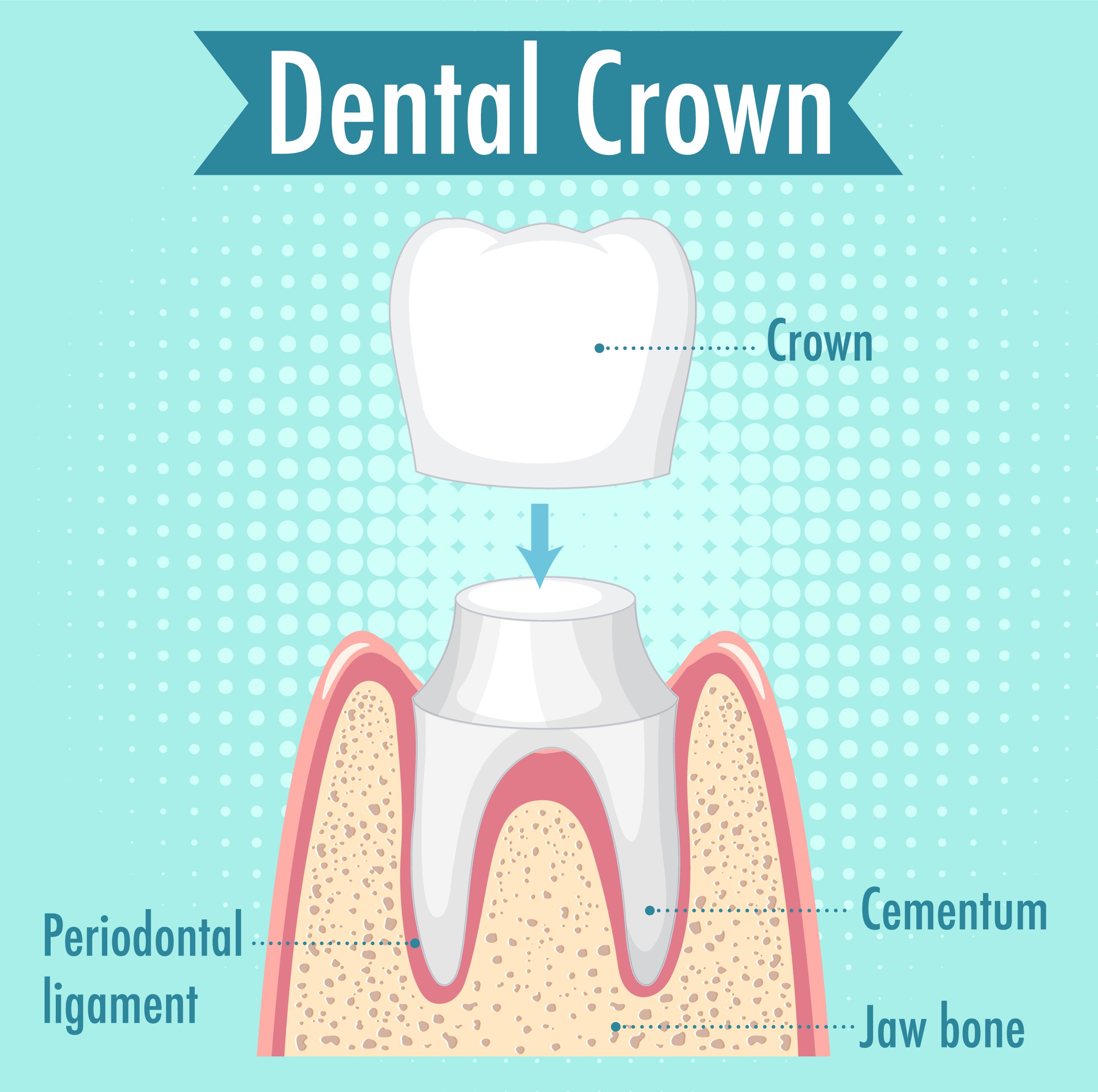
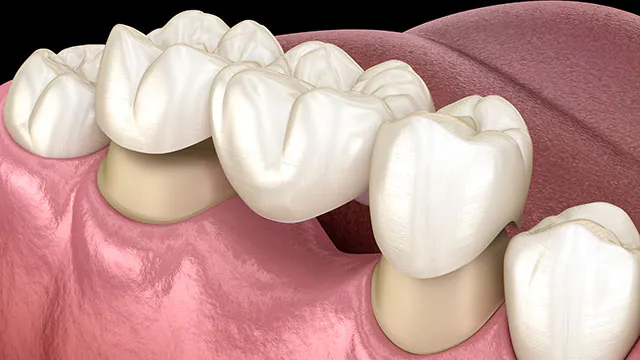
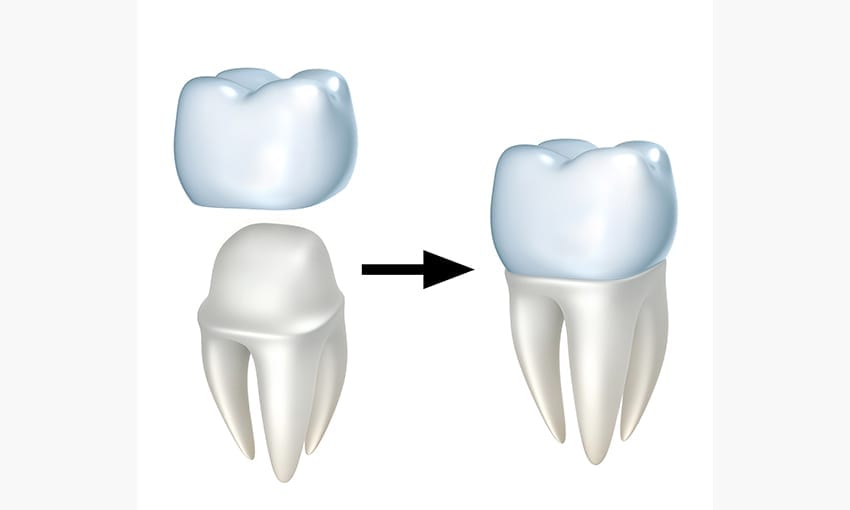
Definition and Purpose: Explain what a dental crown is – a tooth-shaped cap that is placed over a damaged or decayed tooth to restore its shape, size, strength, and appearance.
Types of Crowns: Mention the various types of crowns available, such as porcelain, ceramic, metal, or a combination of materials, and discuss their advantages and suitability for different cases.
Indications for Crown Placement: Describe scenarios where a dental crown may be recommended, such as:
Severe decay or damage to a tooth
Protection for a weakened tooth
Restoration after root canal treatment
Cosmetic enhancement for misshapen or discolored teeth
Procedure Overview: Outline the steps involved in getting a dental crown, including:
Tooth preparation
Impressions
Crown fabrication
Placement and adjustment
Benefits of Dental Crowns: Emphasize the advantages, such as:
Restoring functionality for biting and chewing
Enhancing aesthetics and smile confidence
Protecting and strengthening weakened teeth
Long-term durability with proper care
Aftercare and Maintenance: Provide tips for maintaining dental crowns, including regular brushing, flossing, and dental check-ups, as well as avoiding habits like teeth grinding or chewing on hard objects.
Potential Risks and Considerations: Mention possible risks associated with dental crowns, such as sensitivity, allergic reactions, or the need for replacement over time, and advise patients to discuss any concerns with their dentist.
Cost and Insurance Coverage: Address the cost of dental crowns and whether insurance plans may cover all or part of the expenses, encouraging patients to inquire with their insurance provider.