










Tooth Alingment
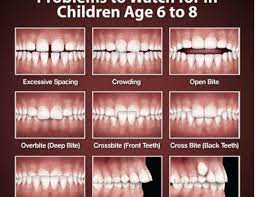
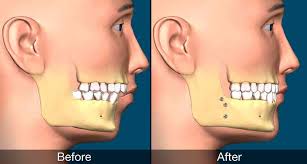
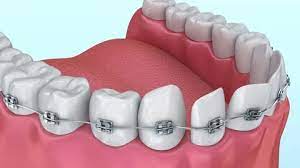
Tooth alignment, also known as orthodontic treatment, involves the correction of irregularities in the positioning of teeth to achieve a straighter, more harmonious smile and proper bite function. Common issues addressed through tooth alignment include overcrowding, gaps between teeth, overbites, underbites, and misaligned teeth. Orthodontic treatment can range from traditional braces, which utilize metal brackets and wires, to more discreet options such as ceramic braces or clear aligners. The process typically begins with a comprehensive evaluation by an orthodontist to assess the condition of the teeth and jaw. Based on the assessment, a personalized treatment plan is developed, outlining the specific steps needed to achieve the desired alignment. Throughout treatment, regular adjustments are made to the braces or aligners to gradually move the teeth into their proper positions. The duration of treatment varies depending on the severity of the alignment issues and the chosen method of correction. Once treatment is complete, patients often experience improved dental function, easier oral hygiene maintenance, and enhanced confidence in their smile. It’s important to follow the orthodontist’s instructions diligently and attend scheduled appointments for optimal results. Additionally, wearing retainers after treatment is crucial to prevent the teeth from shifting back to their original positions. Overall, tooth alignment plays a significant role in both the aesthetics and functionality of the smile, leading to long-term dental health and overall well-being.